
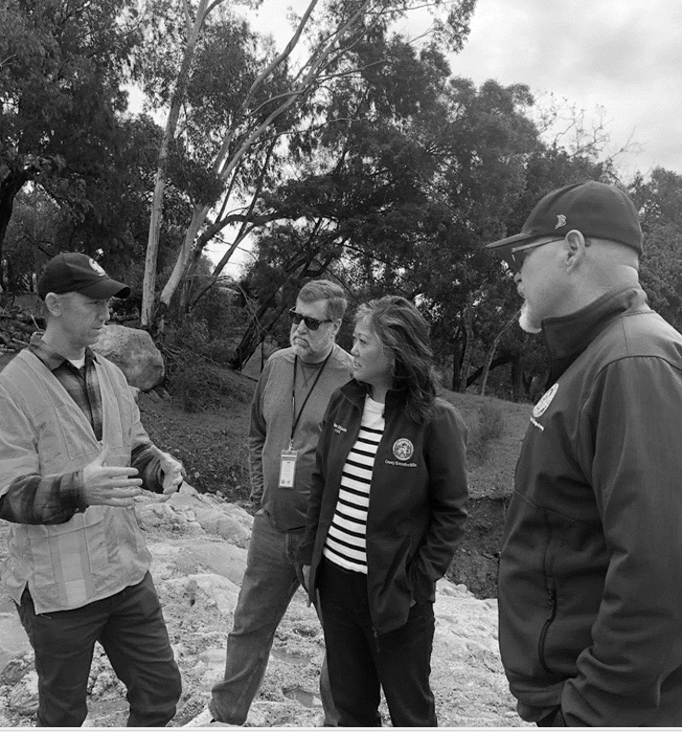
I've spent much of my career thinking about leadership from the inside.Before becoming a coach and facilitator, I spent nearly 13 years as chief executive of Santa Barbara County, leading a complex organization of 4,700 employees and a $1.7 billion budget. The work included strategy and organizational change, budgets and boards, difficult personnel decisions, competing constituencies, political dynamics, natural disasters and emergencies — and the ordinary complexity that comes with leading and working with a variety of people.It was meaningful, fulfilling, joyful…and hard. It was also a continual education in leadership. (Here are some articles about that experience).My experience with board governance also extends to the boardroom. I serve on the Board of Directors of MissionSquare Retirement, where I have served on the Audit and Administration & Finance committees. I am an NACD Certified Board Director and have completed advanced study in corporate board governance at Harvard Business School.
Leadership is not a set of answers.
Over the years, I became increasingly skeptical of simple formulas for leadership. Experience matters. Competence matters. Good judgment matters. But leadership also asks us to notice ourselves. What happens to us under pressure? What do we avoid? What do we overdo? What strengths have become habits we rely on too heavily? What do other people experience from us that we may not see ourselves?
And perhaps the most uncomfortable question: What am I bringing to the situation I keep trying to fix? Those questions became increasingly important to me — first as a leader, and eventually as a coach.
I know what it is like to sit on the other side of the coaching conversation.
Early in my tenure as CEO, I hired an executive coach. It was one of the smarter decisions I made.
I didn't need someone to explain my job to me. I needed someone who could help me step outside of it — to examine my assumptions, see patterns I couldn't easily see myself, ask better questions and make more deliberate choices about the leader I wanted to be.
Good coaching did not make leadership easier. It made me more aware of how I was leading.
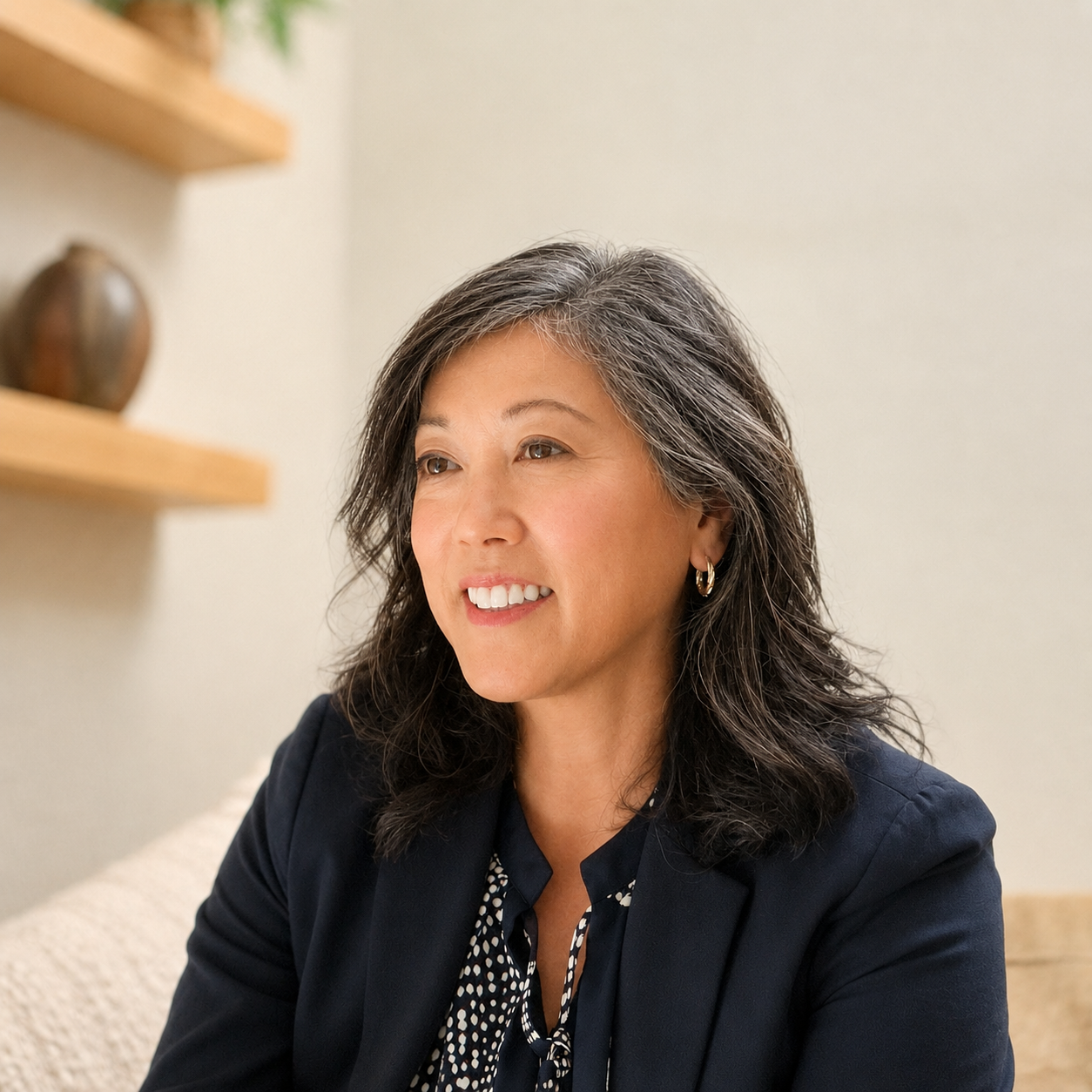
About Mona
My approach to coaching
I trained as a professional coach through the Hudson Institute of Coaching, which takes a whole person approach rather than treating leadership as a collection of techniques. Our strengths, values, histories, relationships, assumptions and patterns all come with us to work. They impact how we make decisions, handle conflict, respond to pressure and relate to other people. The goal isn't to become someone else but to understand yourself well enough to have more choice — and to develop options to respond differently when the situation requires it.But the journey is always yours and it's work - being reflective, confronting questions you may not want to address, gaining awareness, making a plan and acting on it - it’s all work you would be asked to do. I’ll be there supporting, helping, guiding, yes, coaching, but you are the player on the field with the ball. Experience without prescriptions
My leadership and governance experience is part of what I bring to coaching and facilitation. I know what it feels like when a decision matters, when the information is incomplete, when multiple people want incompatible things from you, when the organization and community is watching. Most times, there is no obviously right answer.But experience is not a prescription. I don't assume that because I have led, I know how you should lead - or because I have worked with governing boards, I know what a particular board should decide. I may recognize the terrain. My role is to listen carefully, ask good questions, offer observations, challenge assumptions when useful, and help create enough space for people to see choices that may not have been visible before.I chose the name Miyasato Leadership Practice deliberately. Leadership isn't something we finish learning. It is a practice — of paying attention, adapting, making choices, getting some of them wrong, learning, and returning to the work with a little more awareness than before. That is how I think about coaching and facilitation too.